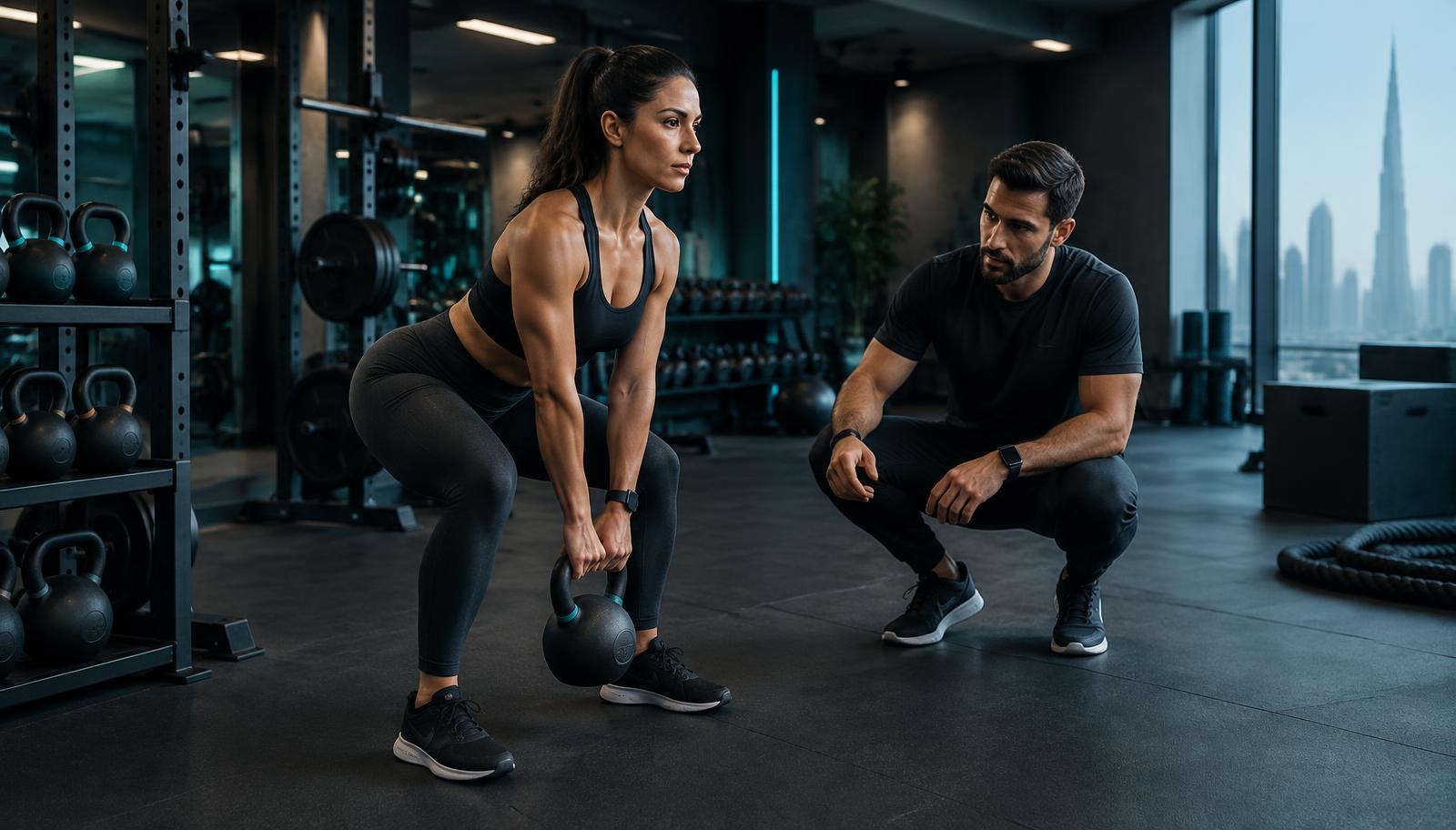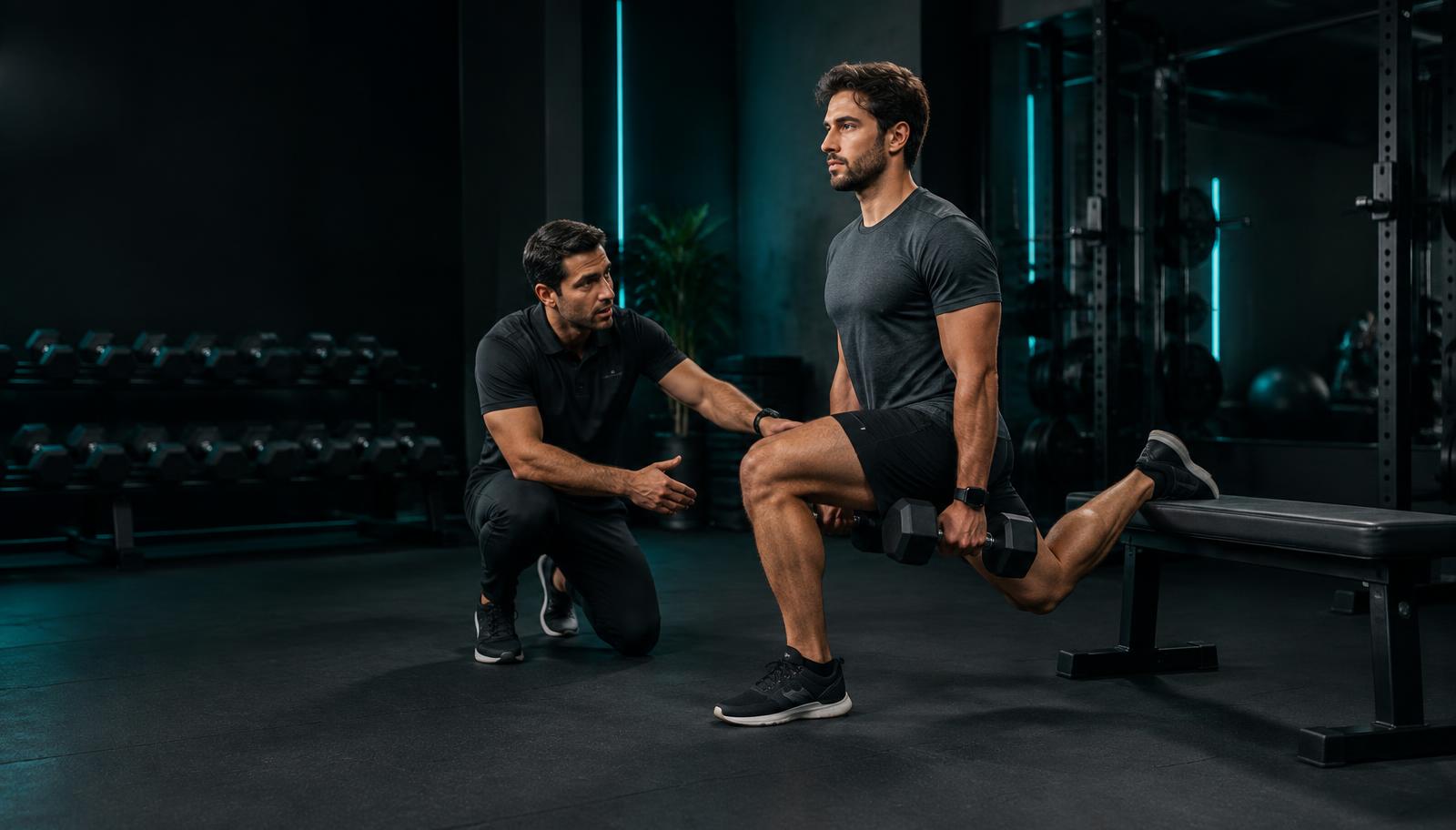
When pain begins to settle, it is natural to feel that recovery is complete.
You can move more comfortably. Daily life feels easier. The immediate problem appears to be gone.
But pain-free does not always mean fully recovered.
If strength, movement confidence, and physical capacity have not been rebuilt, the body may still be underprepared for the demands you want to place on it. That is why meaningful recovery should look beyond symptom relief and ask a more useful question:
What does your body need to be capable of next?
Pain Is Complex
Pain is real, but it is not a simple damage meter. It can be influenced by many factors, including tissue sensitivity, previous experience, stress, sleep, fear, training load, and the context in which a movement occurs.
This is why two people with similar findings can have very different experiences—and why the same person may feel different from one day to the next.
Understanding this does not mean ignoring pain or pushing through every symptom. It means responding thoughtfully instead of assuming every sensation equals harm.
New injuries, unexplained pain, or symptoms requiring diagnosis should always be assessed by an appropriate healthcare professional. Coaching does not replace medical care. Once it is appropriate to train, however, progressive exercise can help rebuild the qualities needed for a confident return.
From Recovery to Capability
A useful recovery process moves through three connected stages:
- •Restore movement
- •Rebuild strength
- •Restore physical capacity
These stages are not always perfectly separate. They often overlap, and progress may move forward or backward depending on your response. What matters is that the plan develops beyond temporary relief.
1. Restore Movement
The first step is often to reintroduce comfortable, controlled movement.
After pain or injury, people naturally protect the affected area. That protection can be useful initially, but avoiding movement for too long may reduce confidence and capacity.
Early training may focus on:
- •Finding tolerable ranges of movement
- •Improving control and coordination
- •Reducing unnecessary guarding
- •Rebuilding trust in everyday patterns
- •Identifying useful exercise variations
The goal is not perfect movement. It is to create safe, repeatable experiences that allow progress.
2. Rebuild Strength
As movement becomes more comfortable, the next step is to increase the body's ability to produce and tolerate force.
Strength work may begin with simple, stable exercises and gradually progress through greater range, resistance, volume, or complexity. The exact route depends on the person, their history, and the activities they want to return to.
This stage matters because the demands of life do not stop when symptoms improve. Stairs, lifting, running, work, and sport all require physical resources. Strength helps rebuild those resources.
3. Restore Physical Capacity
Being able to perform an exercise in a controlled setting is valuable, but real life is rarely perfectly controlled.
Physical capacity includes the ability to tolerate enough work, recover from it, and repeat it. Depending on your goals, that may involve:
- •Walking or standing for longer
- •Lifting and carrying
- •Running, jumping, or changing direction
- •Working through a full day
- •Returning to a favourite sport
- •Keeping up with your family
The programme should progressively bridge the gap between what you can do now and what your life asks you to do.
Recovery Is Not a Pass-or-Fail Test
Progress is rarely a straight line. Symptoms may fluctuate as activity increases. One difficult day does not automatically mean you have caused damage or returned to the beginning.
What matters is the overall response. Are you becoming more capable over time? Are movements that once felt threatening becoming manageable? Can you tolerate more work and recover from it more effectively?
Good coaching monitors these patterns and adjusts the plan when necessary.
The Goal Is Confidence With Capacity
Confidence without preparation can lead to doing too much too soon. Capacity without confidence can leave you avoiding activities your body may be ready to perform.
Effective recovery develops both.
Through structured progression, you collect evidence that your body can move, produce force, and tolerate demand. That evidence helps replace uncertainty with trust.
Pain relief matters. But it should not be the only measure of success.
The stronger outcome is a body that moves with confidence, handles the demands of life, and is prepared for what comes next.