What Does a Well-Structured Training Programme Actually Include?
An effective training programme isn’t simply a collection of exercises.
It’s a coordinated plan designed to develop specific physical qualities.
Depending on the individual, that may involve several components.
1. Strength Development
Strength training provides the foundation for muscular development, bone health, physical function, and long-term capability.
Exercises may include squats, hinges, presses, pulls, carries, and single-leg movements.
But exercise selection should reflect the individual.
Not everyone needs to perform a barbell back squat.
Not everyone needs to deadlift from the floor.
And not every exercise is appropriate for every person.
The objective is to select movements that provide an effective training stimulus while matching the person’s capabilities and goals.
2. Cardiovascular Conditioning
Strength alone doesn’t create complete physical fitness.
Cardiovascular conditioning develops endurance, aerobic capacity, and the ability to sustain physical effort.
Depending on the goal, this may include lower-intensity aerobic training, structured intervals, or sport-specific conditioning.
A busy professional looking to improve general health may require a different conditioning strategy from a recreational runner or competitive athlete.
The method should serve the objective.
3. Movement Development
Mobility, coordination, balance, and movement control influence how effectively we perform physical tasks.
These qualities can be developed through appropriate exercise selection, movement practice, and progressive exposure to different physical demands.
The goal isn’t achieving one universal version of perfect technique.
It’s developing movement strategies that are effective, confident, and appropriate for the individual.
4. Recovery and Load Management
Training creates a stimulus.
Recovery supports the body’s ability to adapt.
Sleep, nutrition, stress, training volume, and exercise intensity all influence how well someone responds to a programme.
Sometimes progression means increasing the challenge.
Other times, it means maintaining the workload or temporarily reducing it.
Knowing the difference is an important part of effective coaching.
How Should a Training Session Be Structured?
There’s no single workout format that works for everyone.
However, a purposeful session generally follows a logical sequence based on its objective.
A strength-focused session might begin with a warm-up that prepares the body for the movements ahead.
This could be followed by primary strength exercises, supplementary movements, and additional work targeting specific physical qualities.
A conditioning-focused session would be structured differently.
And a session designed around movement development or recovery may require an entirely different approach.
The important question isn’t whether every session contains the same components.
It’s whether each component has a clear purpose.
You shouldn’t be doing an exercise simply because it’s next on the list.
You should understand what it’s intended to develop.
Progression: The Missing Link in Most Gym Routines
One of the most important principles of training is progressive overload.
As your body adapts, the training stimulus may need to change to encourage further development.
But progression doesn’t always mean lifting heavier weights.
It can involve:
- •Increasing resistance
- •Performing additional repetitions
- •Improving movement control
- •Increasing appropriate training volume
- •Developing greater range of motion
- •Improving cardiovascular performance
- •Performing the same workload with less perceived effort
The appropriate method depends on the individual and the desired adaptation.
Progress also isn’t perfectly linear.
Work demands, sleep, stress, illness, and other factors can temporarily affect performance.
A well-designed programme accounts for these fluctuations instead of demanding maximum performance every session.
At Ascend Wellness, we believe progression should be planned, monitored, and adjusted—not guessed.
Why Personal Coaching Makes a Difference
You can find thousands of workouts online.
You can watch exercise demonstrations.
You can follow fitness influencers and download training programmes.
Information isn’t the problem.
The challenge is knowing which information applies to you.
Professional coaching provides something a generic workout cannot:
Individualised decision-making.
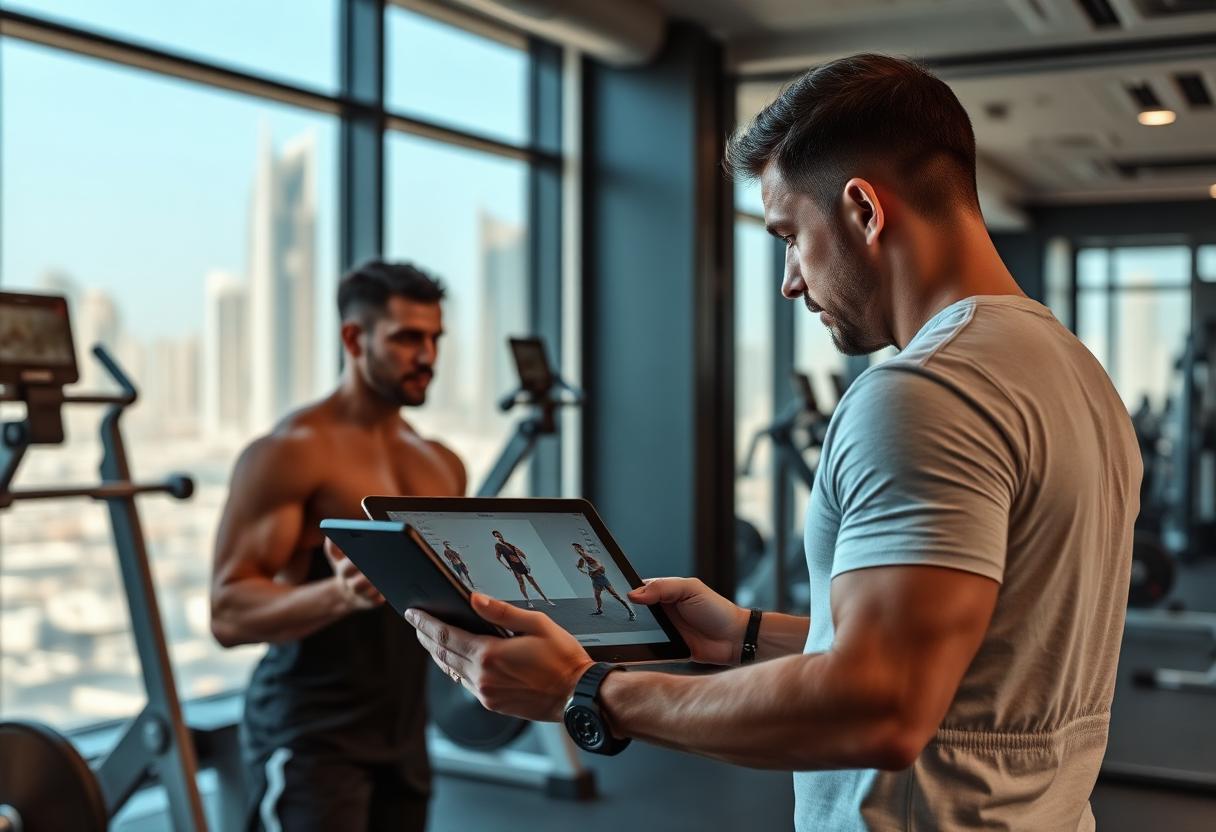
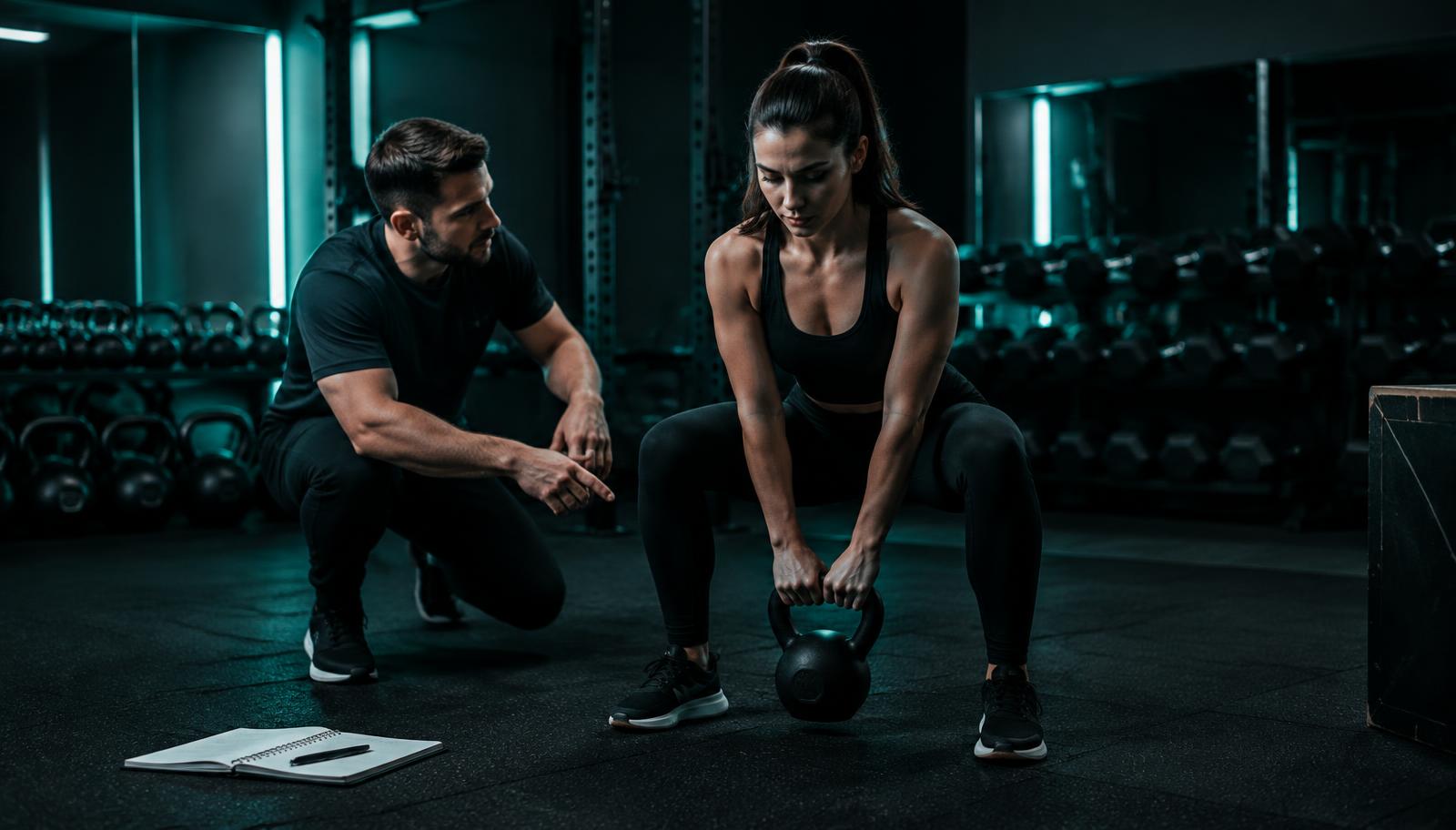
A coach evaluates your starting point, identifies priorities, designs an appropriate programme, monitors progress, and makes adjustments when necessary.
They also help you understand why you’re performing certain exercises and how those exercises contribute to your goals.
This is particularly valuable for people who have limited time to train.
Because when you only have three or four hours available each week, those hours need to count.
Training for Performance Today—and Longevity Tomorrow
Your training goals may change throughout life.
In your twenties, you might focus on athletic performance or building muscle.
In your thirties and forties, balancing training with professional and family responsibilities may become more challenging.
Later in life, maintaining strength, mobility, cardiovascular fitness, and independence may become increasingly important.
But the underlying principles remain relevant.
Develop strength.
Maintain cardiovascular fitness.
Move confidently.
Manage recovery.
Train consistently.
These qualities help support physical capability across different stages of life.
At Ascend Wellness, longevity isn’t simply about adding years to your life.
It’s about maintaining the physical capacity to enjoy those years.
Because what your body can do matters just as much as how it looks.
The Ascend Approach: Assessment Before Exercise. Structure Before Intensity.
At Ascend Wellness, we believe good coaching starts before the first repetition.
Our approach is built around understanding the individual, identifying meaningful priorities, and creating a training strategy that evolves over time.
We don’t believe every client needs the same exercises, the same intensity, or the same training schedule.
We believe every client needs an appropriate plan.
Our Strength & Longevity Coaching philosophy is built around five principles:
Strength: Develop the physical capacity to meet everyday and athletic demands.
Movement: Improve movement confidence, control, and efficiency.
Capability: Prepare your body for the activities that matter to you.
Structure: Replace random workouts with purposeful programming and measurable progression.
Longevity: Build physical qualities that continue serving you throughout life.
Whether you’re returning to training, trying to overcome a plateau, or looking to improve your long-term health, our objective is the same:
To help you train with greater purpose and achieve meaningful, sustainable progress.
Stop Collecting Workouts. Start Building Results.
You don’t necessarily need more exercises.
You don’t need to change your programme every week.
And you certainly don’t need every workout to leave you exhausted.
You need to understand where you are, identify what you want to achieve, and follow a strategy that progressively moves you towards that goal.
That’s the difference between simply going to the gym and training with purpose.
At Ascend Wellness, our personalised coaching approach combines assessment, strength development, cardiovascular conditioning, movement quality, and intelligent recovery to help you build lasting physical capability.
Don’t just work out. Train with purpose.
Build a body that can handle life.
Discover our personalised Strength & Longevity Coaching programmes in Dubai at https://ascendwellness.me and take the first step towards a more structured approach to training.