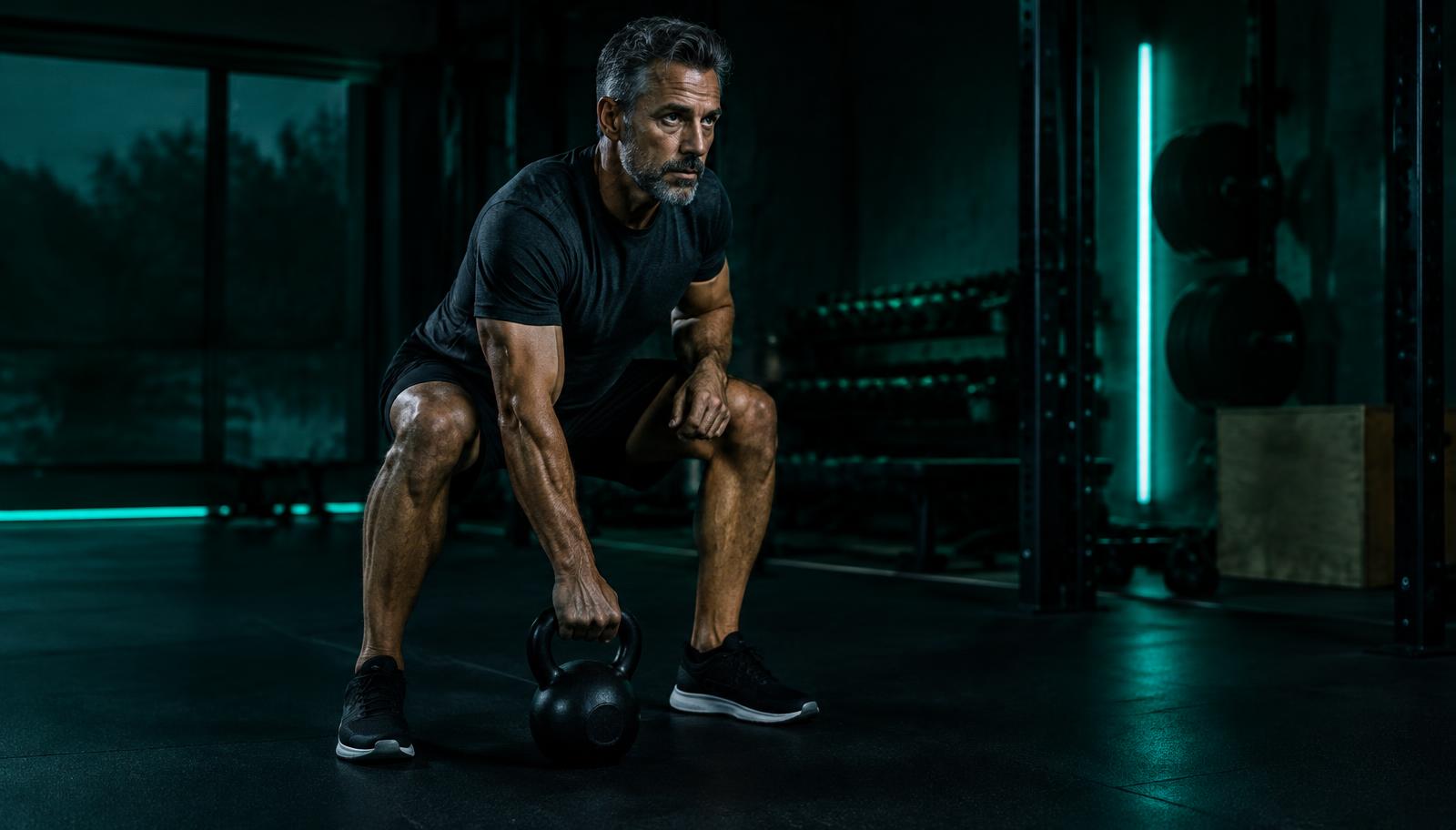
Beyond Workouts, Weight Loss, and Aesthetics — Building Strength, Performance, and Longevity
Finding a personal trainer in Dubai isn’t difficult.
Finding a coach who understands your goals, evaluates your starting point, and develops a structured strategy for sustainable results is a different challenge.
Dubai offers an enormous variety of gyms, fitness studios, personal trainers, and training programmes. Yet access to excellent facilities and equipment doesn’t automatically translate into meaningful progress.
Many people spend months exercising without seeing the improvements they expect.
Others achieve short-term results, only to lose them when work becomes demanding, travel interrupts their routine, or motivation begins to fade.
At Ascend Wellness, we believe personal training should offer more than supervised workouts.
It should help you become stronger, improve your physical capabilities, develop confidence in your movement, and build a foundation for long-term health.
Because the right coach shouldn’t simply help you train harder. They should help you train with purpose.
Why Work With a Personal Trainer in Dubai?
Modern life presents a unique challenge.
Between demanding careers, long working hours, business travel, family responsibilities, and social commitments, maintaining a consistent training routine can become difficult.
For many people, the issue isn’t a lack of motivation.
It’s a lack of structure.
A qualified personal trainer helps bridge the gap between effort and results by creating a programme that reflects your current abilities, goals, and lifestyle.
Effective coaching provides three important advantages.
1. Personalised Training Based on Your Starting Point
No two individuals have identical physical capabilities, training histories, or recovery requirements.
A structured coaching process begins with understanding the person before designing the programme.
At Ascend Wellness, our assessment-led approach considers:
- •Current strength and fitness levels
- •Movement quality and physical limitations
- •Training experience
- •Body composition, where relevant
- •Previous injuries and health considerations
- •Lifestyle, recovery, and available training time
- •Individual goals and priorities
This information helps establish an appropriate starting point and identify the physical qualities that require attention.
A good programme starts with understanding the individual—not selecting exercises.
2. Time-Efficient Training for Busy Professionals
When your schedule is demanding, every training session should serve a purpose.
That doesn’t mean making every workout as intense as possible.
It means prioritising the training methods most relevant to your goals.
For some individuals, that may involve three structured strength sessions each week.
Others may benefit from a combination of resistance training, cardiovascular conditioning, and independent activity.
The objective is to create a programme that delivers meaningful progress without demanding unrealistic amounts of time.
Effective training isn’t about doing everything. It’s about doing what matters most.
3. Accountability, Progression, and Long-Term Consistency
Motivation changes.
Your training strategy shouldn’t disappear when it does.
Professional coaching provides structure, performance monitoring, and informed adjustments as your capabilities develop.
A good coach should understand when to increase training demands, when to modify exercises, and when recovery needs greater attention.
This ongoing process helps turn occasional exercise into consistent, purposeful training.
What Should You Look for in a Personal Trainer?
With so many fitness professionals operating in Dubai, choosing the right coach requires looking beyond social media content and impressive physiques.
Several factors deserve consideration.
Professional Qualifications and Practical Experience
Relevant education, recognised professional certifications, and practical coaching experience provide an important foundation.
However, qualifications alone don’t guarantee effective coaching.
Look for someone who can clearly explain their methodology, demonstrate experience working with clients who have similar goals, and adapt their approach to different individuals.
Assessment Before Programming
A coach should understand your current capabilities before prescribing a demanding training programme.
Movement assessments, strength evaluations, training history, and lifestyle discussions can help establish meaningful priorities.
At Ascend Wellness, assessment is an important part of our coaching process because it provides the information needed to develop an individualised strategy.
Evidence of Progress
Before-and-after photographs can demonstrate physical changes, but they don’t tell the complete story.
Meaningful progress may also involve:
- •Improved muscular strength
- •Better cardiovascular fitness
- •Changes in body composition
- •Greater movement confidence
- •Improved balance and coordination
- •Increased physical capacity
- •More consistent training habits
A good coach should be able to explain how progress is monitored and what adjustments are made along the way.
A Sustainable Approach
Be cautious of programmes that promise dramatic results in unrealistic timeframes or rely on exhausting workouts and extreme dietary restrictions.
Long-term progress requires consistency, appropriate training demands, sufficient recovery, and realistic expectations.
The best coaching strategy is one that can evolve alongside your life.
Strength and Conditioning: Building a More Capable Body
Personal training shouldn’t focus exclusively on appearance.
While improving body composition may be an important goal, physical fitness involves several qualities that contribute to health and performance.
Strength Training
Progressive resistance training helps develop muscular strength, preserve muscle mass, support bone health, and improve physical function.
Depending on the individual, programmes may incorporate squats, hinges, presses, pulls, carries, and single-leg exercises.
The objective isn’t to force everyone into the same movements.
It’s to select exercises that provide an appropriate stimulus while reflecting individual capabilities and goals.
Cardiovascular Conditioning
Cardiovascular fitness supports endurance, heart health, and the ability to sustain physical effort.
A balanced programme may incorporate lower-intensity aerobic training, structured intervals, or activity-specific conditioning.
The appropriate combination depends on your current fitness level and objectives.
Movement Quality and Physical Capability
Strength is valuable.
Being able to use that strength confidently through different movements is equally important.
Mobility, balance, coordination, and movement control can all contribute to physical performance.
At Ascend Wellness, we focus on developing movement strategies appropriate for each individual rather than chasing one universal version of perfect technique.
Recovery and Load Management
Training provides the stimulus for adaptation.
Recovery helps the body respond.
Sleep, nutrition, stress, training volume, and exercise intensity all influence how effectively someone progresses.
A structured programme considers these factors rather than simply increasing the workload every week.