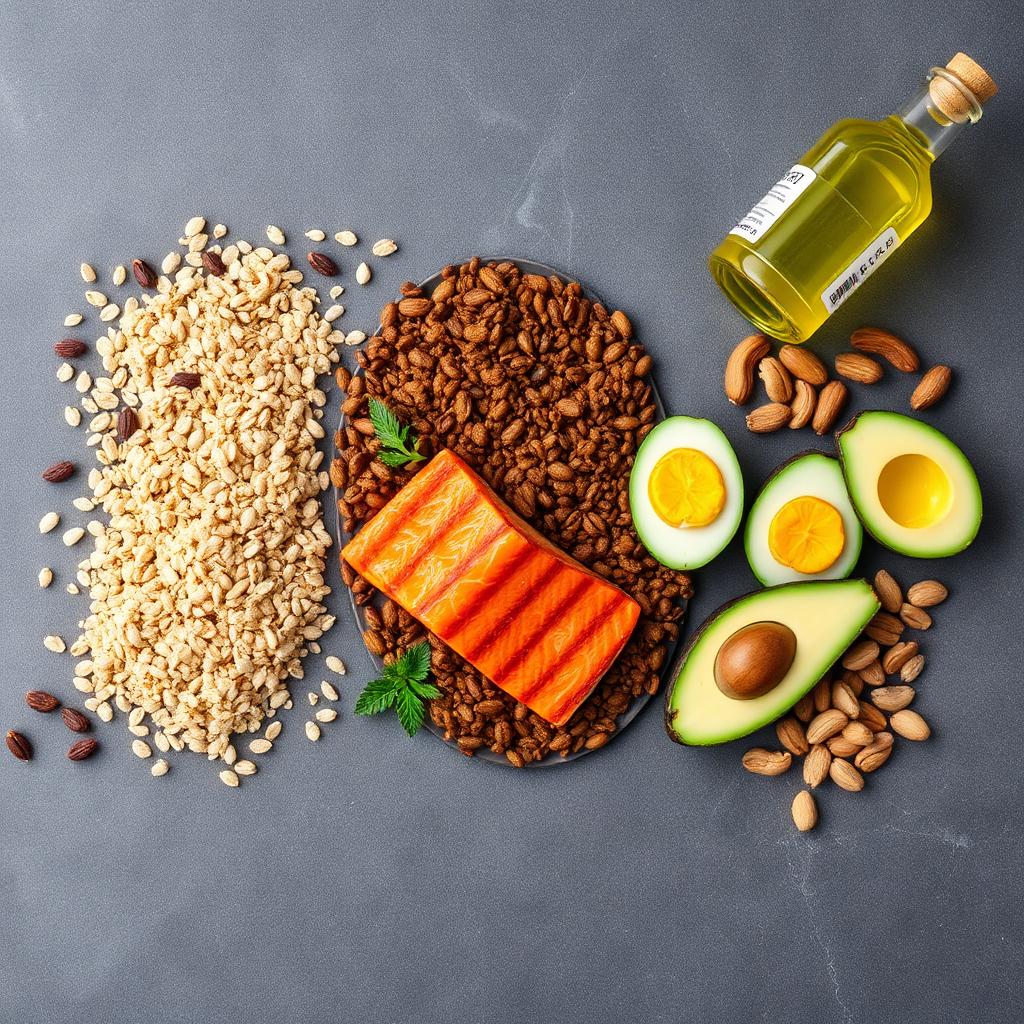
Understanding macronutrients is the single biggest upgrade most people can make to their nutrition.
Carbohydrates, proteins and fats are the three macros your body needs in significant amounts. Each one plays a distinct role, and the quality of what you choose matters as much as the quantity.
Carbohydrates: Your Primary Energy Source
Carbs are often demonised, but they're essential for energy — especially if you train regularly. The key is choosing the right kind.
- •Complex carbohydrates: whole grains (oats, brown rice, quinoa), vegetables and legumes. These provide sustained energy, fibre and essential vitamins and minerals.
- •Simple carbohydrates: refined sugars, white bread and sugary drinks. They give a quick energy spike but often lead to crashes and lack nutritional value.
Prioritise complex carbs for lasting energy, and use simple carbs strategically — for example, around hard training sessions when fast fuel is useful.
Proteins: The Building Blocks of Life
Protein is vital for muscle repair and growth, enzyme production, hormone regulation and a healthy immune system.
- •Animal sources: lean meats, poultry, fish, eggs and dairy.
- •Plant sources: legumes (lentils, beans), tofu, tempeh, quinoa, nuts and seeds.
Aim for a variety of sources to cover all essential amino acids. A useful starting point for active adults is roughly 1.6 to 2.2 grams of protein per kilogram of body weight per day, spread across your meals.
Fats: Essential for Health, Not Just Storage
Dietary fats are crucial for hormone production, nutrient absorption (especially fat-soluble vitamins A, D, E and K) and brain health. Again, the type of fat matters.
- •Unsaturated fats: avocados, nuts, seeds, olive oil and fatty fish. These "healthy fats" support heart health and reduce inflammation.
- •Saturated fats: red meat, butter and full-fat dairy. Fine in moderation as part of a balanced diet.
- •Trans fats: often found in heavily processed foods. Best avoided — they're consistently linked to poor heart health.
Putting It Together
You don't need to weigh every gram. Start with a simple plate framework:
- •A palm-sized portion of protein
- •A fist of complex carbs
- •Two fists of vegetables
- •A thumb of healthy fats
Adjust portions based on your training load and goals.
Next in the series: the supporting cast that makes the macros work — read Micronutrients & Hydration: The Unsung Heroes of Daily Wellness.